


We’re glad to have Prof. Wataru Sakamoto (Okayama University, Japan) giving a seminar on 4th August.
Wataru Sakamoto
- Professor of Plant Genetics and Physiology, leading the Light Acclimation Research Group
- Former editor-in-chief of Plant & Cell Physiology
- Research on photosynthesis, chloroplast development, function and repair under environmental stress
When: 4th August (Tue), 09:45-10:45
Where: Meeting room M1, Radix
Seminar title: Thylakoid membrane homeostasis (thylakostasis) in plant chloroplasts
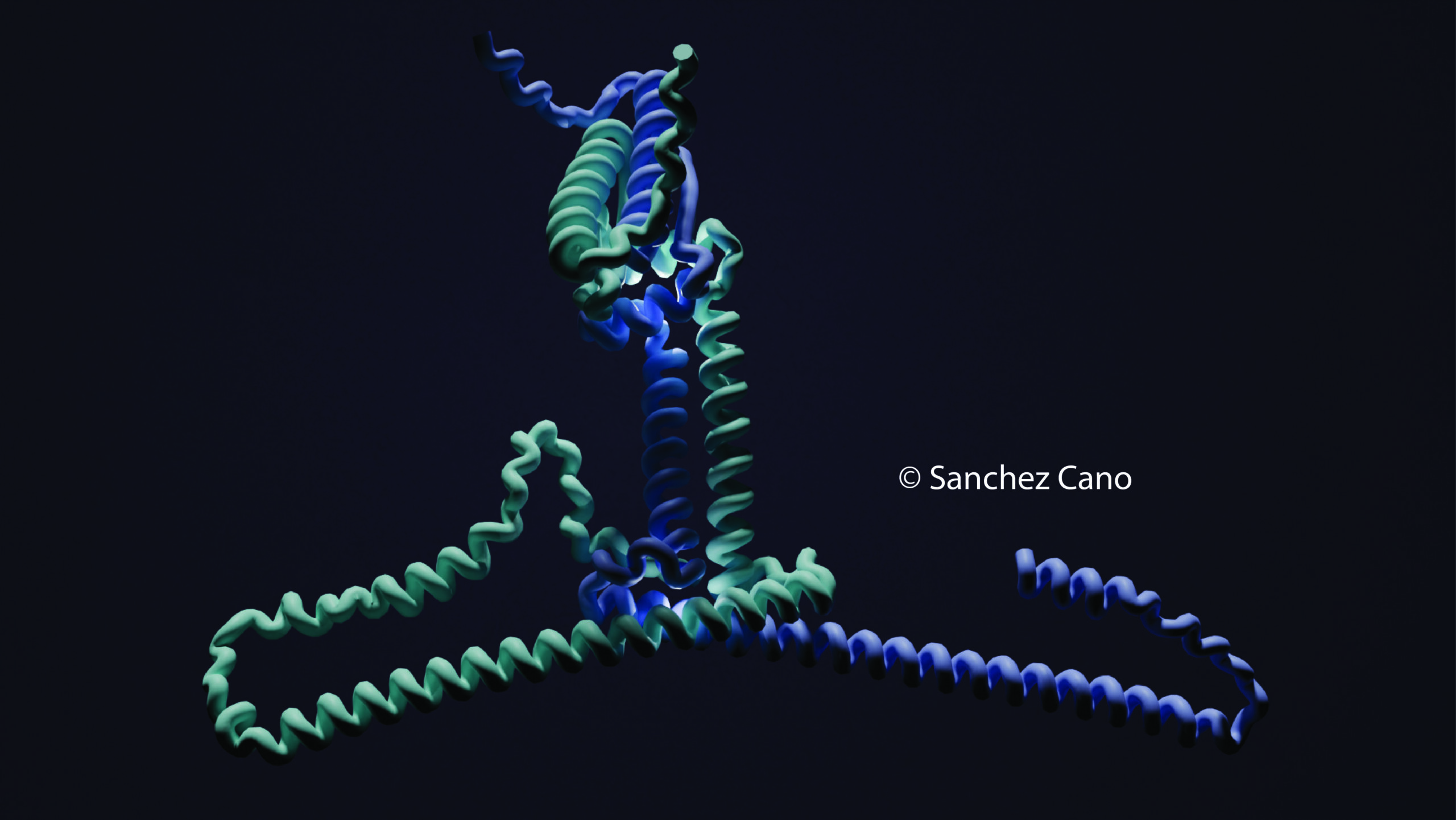
The thylakoid membrane (TM) system, characteristic of oxygen-evolving photosynthetic organisms, hosts the protein complexes essential for light-dependent reactions and ATP synthesis. Although TM architecture varies considerably among photosynthetic lineages, the evolutionary transition from aquatic to terrestrial environments is thought to have driven the development of more complex TM organization. In vascular plants, the TM has evolved into a sophisticated network of unstacked stroma thylakoids and stacked grana thylakoids, which enables the spatial separation of photosystem II (PSII) and photosystem I (PSI) to optimize light capture and energy transfer. How TMs are established, differentiated, and maintained is fundamental to photosynthesis and can be conceptualized as thylakostasis (thylakoid membrane homeostasis). Over the past decade, studies on thylakostasis have identified key proteins with broad remodeling functions, including membrane deformation, fusion, and fission. Among these, we focus on VIPP1, a member of the evolutionarily conserved ESCRT-III superfamily, which mediates diverse membrane remodeling events in the cytosol of yeast and animals. Recent advances in VIPP1 research in Arabidopsis will be discussed, with a particular focus on its oligomeric structures, interacting partners, and its evolutionary conservation.
Feel free to share this invitation with anyone interested within WUR. We hope to see you there!