
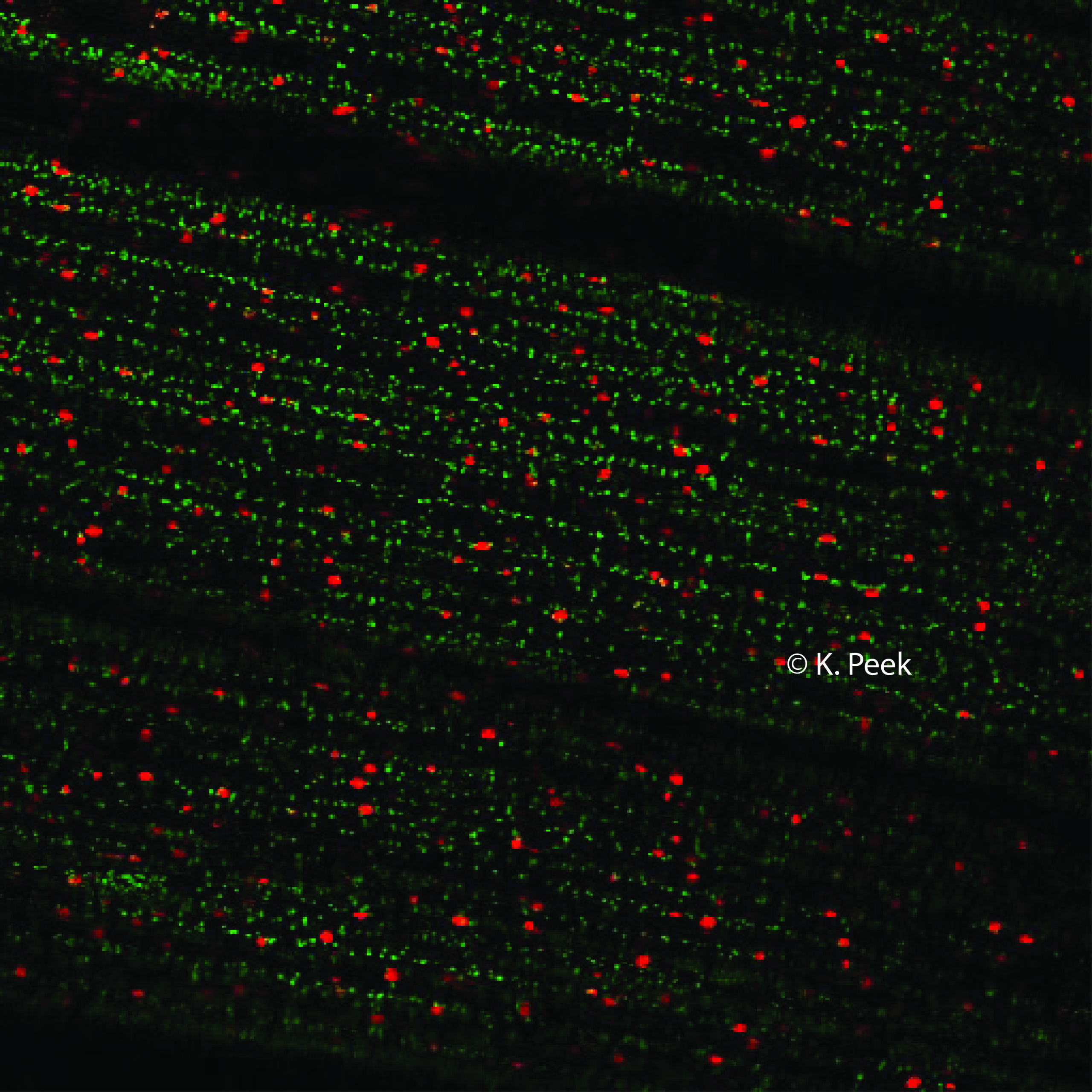
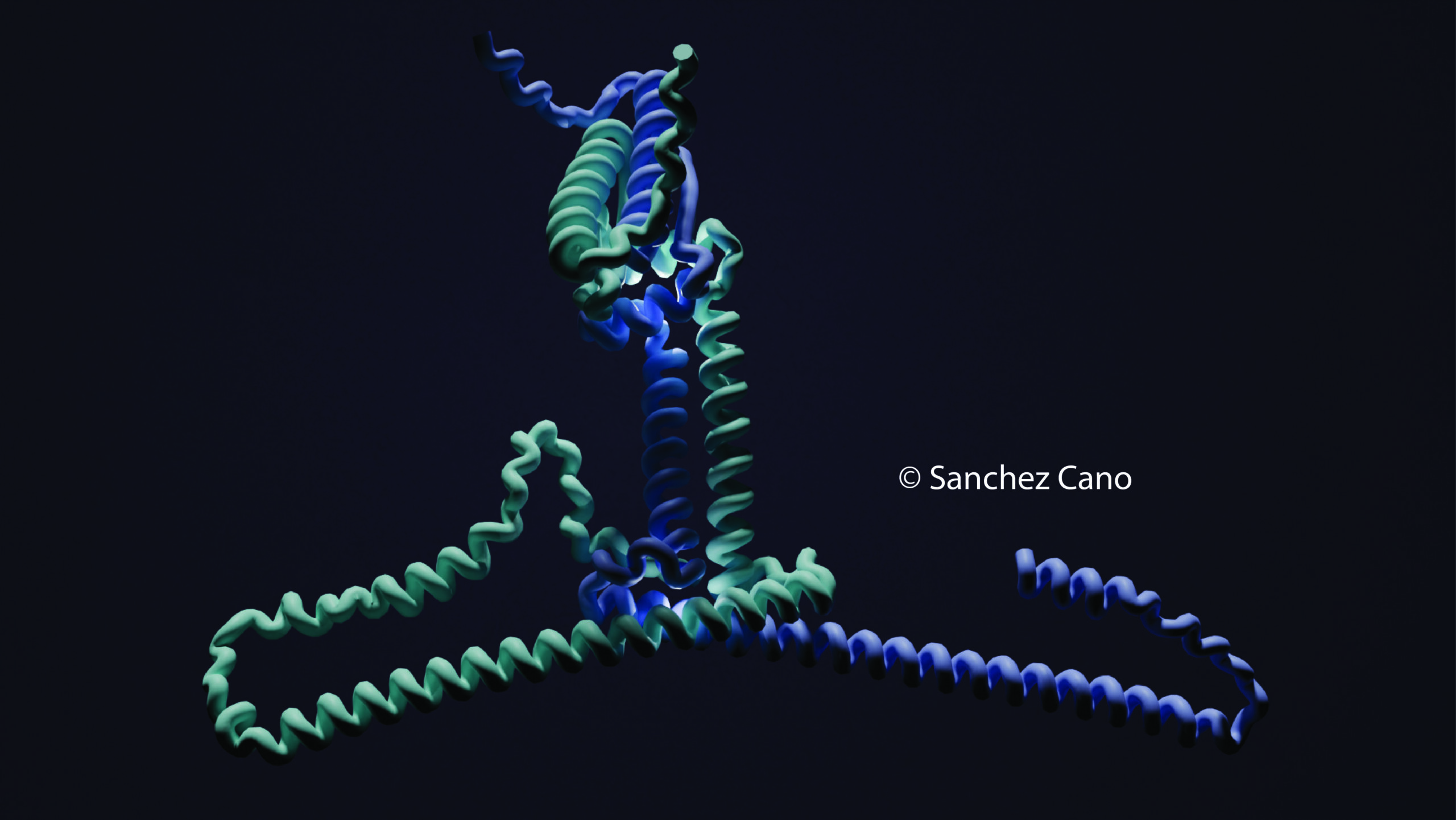



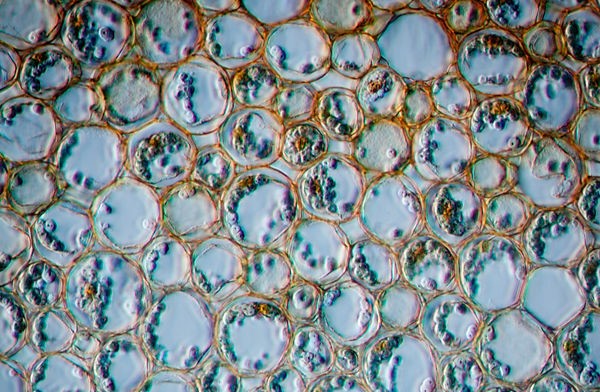
Gene expression is regulated in response to developmental and environmental cues and enables organisms to respond appropriately to internal and external signals. Because gene-regulatory programs are often different across cell types, cell-specific transcriptional responses are typically not observed when profiling gene expression in whole organs or tissues. However, emerging single-cell genomic technologies, including transcriptomics, are being used to characterize gene expression dynamics at unprecedented resolution. In addition to profiling cell-type specific responses in gene expression, single-cell transcriptomics is being used to discover new cell types, track cellular differentiation and predict gene-regulatory networks. Although single-cell transcriptomics techniques are typically more challenging in plants (e.g. due to presence of cell walls), recent technological advances are revolutionizing how we characterize gene regulation.
In this three-day workshop, a combination of external and local speakers will present various topics related to single-cell transcriptomics in plants. Presentations will cover the latest technologies and computational approaches employed during single-cell transcriptomics experiments, as well as how these single-cell approaches are being used to address both fundamental and applied research questions in plants. Hands-on wet lab training will be given during the first two days. During the computer practicals, participants will also learn how to analyze and visualize single-cell transcriptomic datasets. Altogether, we aim for this course to help plant researchers design, execute and analyze single-cell transcriptomics experiments, and explore up-and-coming single-cell genomic applications.
Date: 09. – 11. February 2027
Location: Wageningen Campus, The Netherlands
Participants (max 25): PhD candidates and postdocs
Registration: opens soon
Organizers: Michael Nodine (WUR), Victoria Mironova (RU), Carolin Grones (WUR), Michael Schon (WUR) and Juliane Teapal (EPS)
Contact: Juliane Teapal